A few weeks ago we told you about the process of tobacco cultivation, which is prior to the drying stage. Today we explain how the leaves are dried.
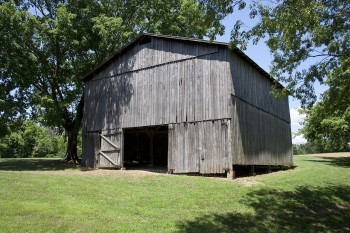
Tobacco barn
Why leave tobacco to dry?
The drying process is essential because this way water is removed from the leaves so that they can be smoked, otherwise they would not light.
Also during the drying process, the composition of the leaves changes and this chemical process is responsible for acquiring the different aromas the leaves have of hay, tea, oil or fruit. There are tobacco leaves that are not dried with so much care and need to add flavorings later.
Types of drying
Different types of drying the leaves give certain characteristics: texture, aroma, taste, color…
Indirect heat drying or hot air
This type of drying is performed by placing leaves in drying warehouses. Next to these warehouses the are ovens that send hot air to the warehouses. Gradually the temperature increases to achieve the ideal enviroment for drying. The process usually takes about a week. Virginia tobacco is dried with this procedure.
Air drying
This type of drying is done by placing the leaves in well-ventilated drying warehouse and letting them dry in a process that can last from 4 to 8 weeks. Burley tobacco is dried with this procedure.
Sun-dried
For this type of drying, the leaves are hung by strings outdoors and dry in the hot sun. This drying process takes about two weeks. Oriental tobacco is dried with this procedure.
Fire dried
This drying is performed by placing the leaves in large kilns where fires burn very slowly burning with a minimum of three days and maximum of 10 weeks. Many of pipe tobaccos or chewing tobaccos are cured with this process.
Once the tobacco is dry, it is prepared to be sent to processing factories. Plants which are dried whole are seperated, the leaves are grouped by color or texture and are pressed to prepare them for delivery to the processing factories.
What happens next?
If you want to know what happens once the tobacco comes to processing factories, we encourage you to read our post: “How are cigarettes made?“.
See you soon!
Esta entrada también está disponible en:
Spanish

 (empty)
